WHAT INSHORE FISHING ACTUALLY MEANS HERE
When folks hear "fishing charter," they often picture rough seas and a long boat ride. Inshore fishing in Fort Lauderdale is the opposite of that. We stay on protected water close to the dock, working flats, channels, and creek mouths where fish hold tight to structure.
Our home water includes Whiskey Creek, the Stranahan River, the New River, and the broader Intracoastal Waterway. These spots sit a short cruise from Cox Landing, so we spend more time fishing and less time running. I grew up on this exact stretch of water, and after 10-plus years of guiding, I know where the fish move with the tide.
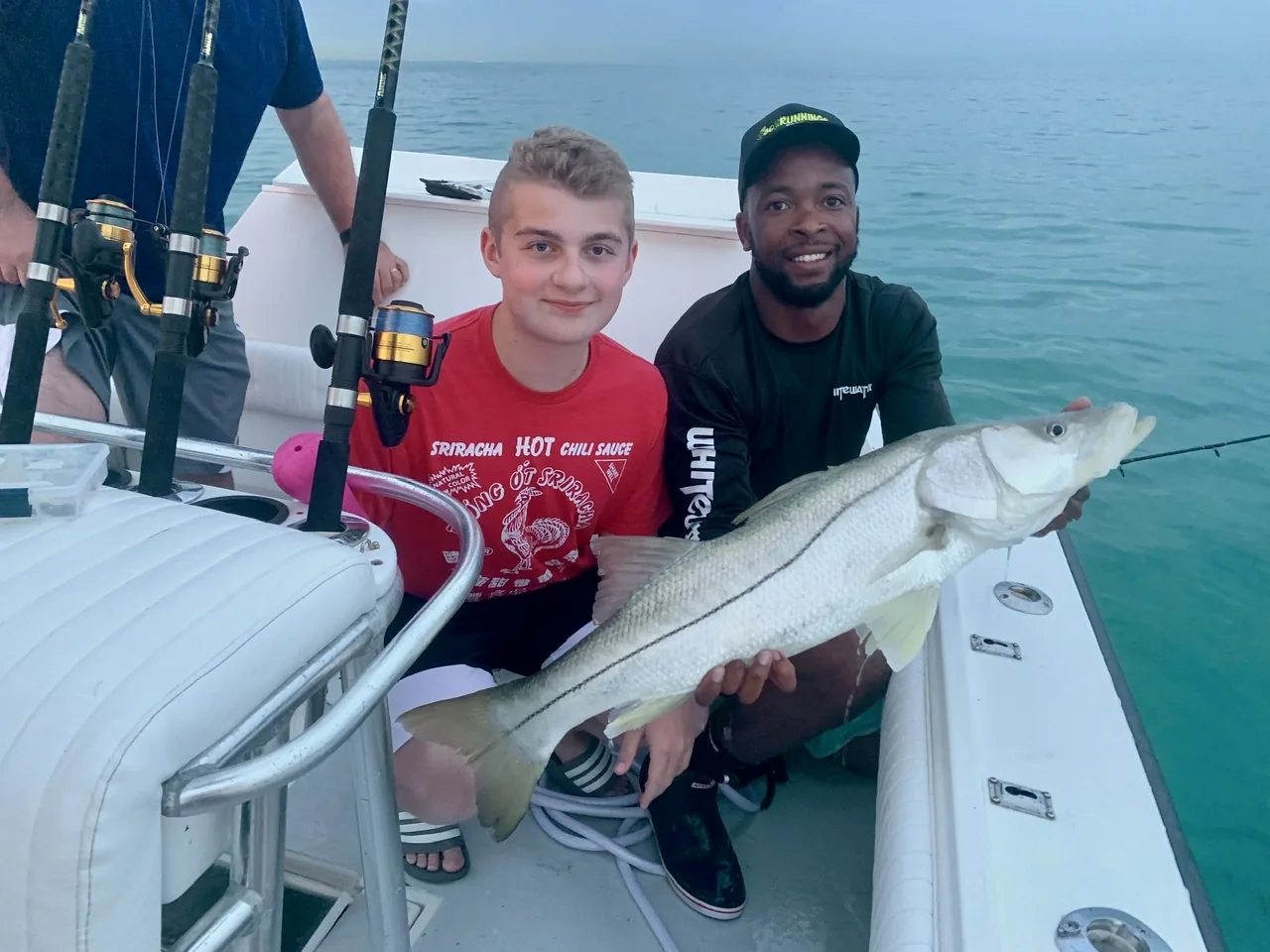
If you have never held a rod before, that is fine. Most of our first-timers leave with photos of fish they were nervous about catching an hour earlier. The gear is light, the water is calm, and the learning curve is short.
THE FISH YOU CAN REALISTICALLY CATCH
Inshore species rotate through these waters year-round, so there is almost always something biting. Snook are the headliner, especially around bridges, dock lights, and mangrove edges. They hit hard and pull harder, which makes them a favorite first-fish for new anglers.
Tarpon show up in the deeper basins and along the Port Everglades edges, mostly from spring through summer. Even a small one will jump and put on a show. Jack crevalle run in schools and crush topwater baits, so they are great for kids who want fast action.
You will also see ladyfish, mangrove snapper, spotted seatrout, the occasional redfish, and barracuda hanging near channel markers. Snapper are the dinner fish, easy to hook on shrimp and great on the grill. For a deeper look at how inshore stacks up against running out front, my inshore versus offshore breakdown walks through the differences.
LIGHT TACKLE SETUP YOU WILL USE
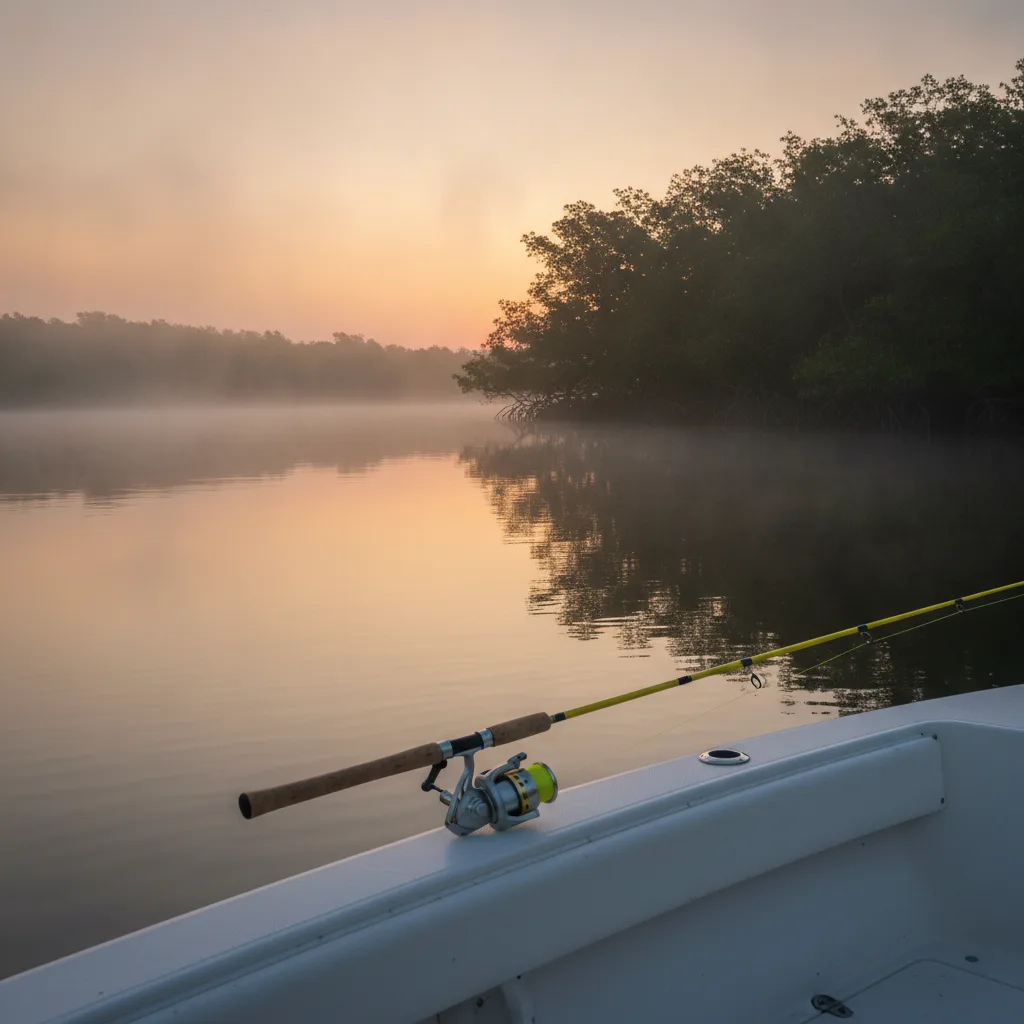
Inshore work is all about light gear that feels good in your hand. We rig spinning rods with 10 to 15 lb braid and a short fluorocarbon leader. The reels are smooth and easy to cast, even for someone who has never thrown a lure before.
Live shrimp is our bread and butter bait. We pair it with a popping cork over grass flats so the splash calls fish in from a distance. When the bite gets picky, we switch to soft plastic paddle tails or jerk shads in natural colors.
I will rig everything, tie every knot, and show you the cast in about two minutes. You do not need to bring a single piece of gear, and your Florida fishing license is covered on the boat. Our inshore fishing trips include rods, reels, bait, ice, and tackle for up to four guests.
TIDES, TIMING, AND WHY IT MATTERS
Tide movement is the single biggest factor in an inshore bite. Moving water pushes bait through ambush points, and predators line up to feed. Slack tide, when the water sits still, is usually the slowest window of the day.
For snook, the incoming tide tends to be the better play. Clean ocean water pushes into the inlets and creeks, and fish stack up on bridges and structure to feed. We watch the tide charts closely and time our run from Cox Landing to hit the best window.
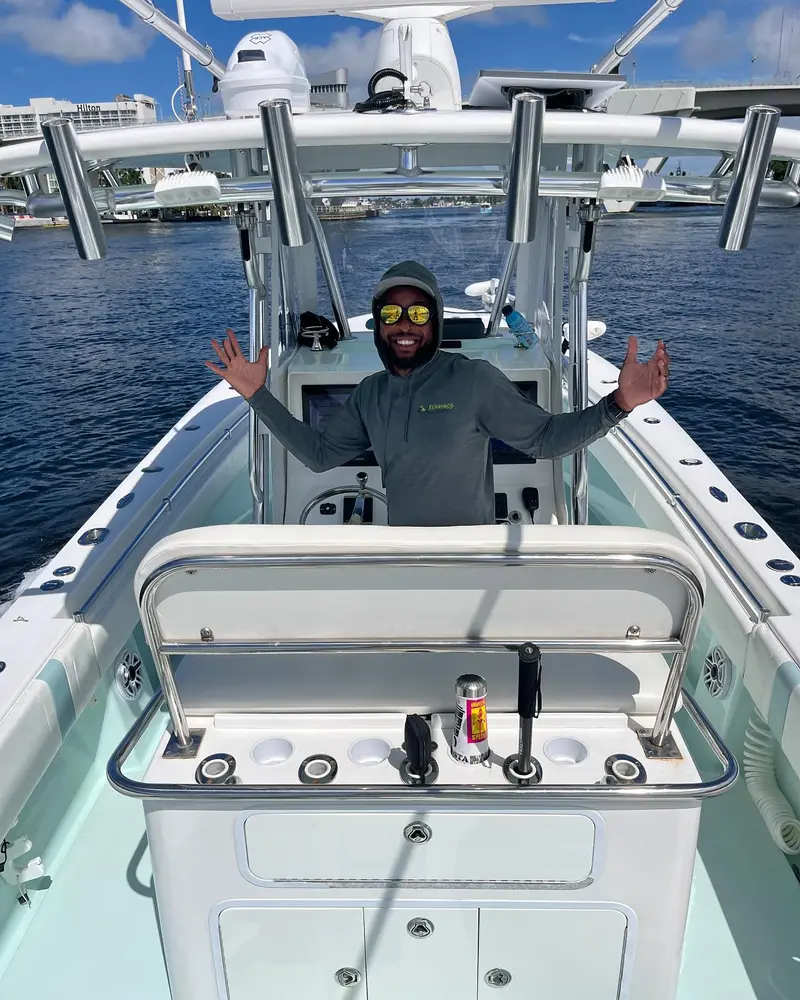
Some flats fish better on the outgoing, when bait flushes off the grass and into deeper troughs. That is where the Rhodan trolling motor on the 32 ft Contender earns its keep. We can ease into skinny water without spooking fish, then hold position while you cast.
WHY CALM WATER WORKS FOR FIRST-TIMERS
The biggest worry we hear from new anglers is seasickness. On the inside, that worry goes away. The Intracoastal and the flats stay flat in almost any weather, so nobody is hanging over the rail.
That same calm makes inshore trips a strong pick for families. Kids can move around the deck safely, snacks stay on the table, and parents can actually relax. We run a four-guest maximum with two or three being the sweet spot, so everyone gets time on the rod.
Because we fish close to the dock, you can also bail early if a little one gets tired. No long ride back from 20 miles offshore. Anglers staying in Fort Lauderdale or up the road in Dania Beach can be on the water within minutes of stepping aboard.
WHY A HALF-DAY TRIP IS THE RIGHT SIZE
For a first-timer, the half-day trip is almost always the right call. Four hours is long enough to learn the cast, hook a few fish, and feel like you got the full experience. It is short enough that nobody burns out.
We can usually cover two or three productive spots in a half-day. Maybe a bridge for snook, a flat for trout and ladyfish, and a channel edge for snapper. That variety keeps things interesting and gives you a real taste of what inshore fishing looks like.
If you fall in love with it, and a lot of first-timers do, you can always book a 3/4 day or full day next time. Plenty of our guests start with a half-day on the inside, then come back for a longer trip. Our packing list for a Florida charter covers the basics for whichever trip length you pick.
READY TO BOOK YOUR FIRST TRIP?
A half-day on the Intracoastal is the easiest way to see what inshore fishing in Fort Lauderdale is really about. You will work the incoming tide for snook, throw light tackle on the flats for trout and ladyfish, and stay close to Cox Landing the whole time. No experience, no gear, and no seasickness worries needed.
Call (954) 588-0578 to talk through dates, or send a quick note through the Cool Runnings booking calendar. We will help you pick the right tide window and get your first trip on the books.
FREQUENTLY ASKED QUESTIONS
Do I need any fishing experience to book an inshore trip?
None at all. I rig every rod, tie every knot, and walk you through the cast before the first line hits the water. Most first-timers are hooking fish within the first 20 minutes, and kids pick it up especially fast on light spinning gear.
Will I get seasick on an inshore charter?
Very unlikely. We stay on protected water inside the inlets, including Whiskey Creek, the Stranahan, and the New River. The water stays flat in almost any weather, so seasickness is rarely an issue, even for guests who get queasy on bigger boats.
Is a half-day trip long enough to actually catch fish?
Yes, and it is our most popular trip for new anglers. Four hours lets us hit two or three spots, work the right tide window, and put you on snook, snapper, ladyfish, or whatever is biting that day. You will get plenty of rod time without wearing yourself out.
What should I bring with me on the boat?
Just sunscreen, sunglasses, a hat, soft-soled shoes, and any food or drinks you want for the trip. We provide all rods, reels, bait, tackle, ice, and your Florida fishing license. Polarized sunglasses help a lot for spotting fish on the flats.
Are inshore trips good for young kids?
They are one of the best options for families with kids. Calm water, short runs, fast action from jacks and ladyfish, and the ability to head back early if needed make it kid-friendly. We cap trips at four guests, so there is plenty of room and attention for everyone aboard.