THE SHORT ANSWER BEFORE THE LONG ONE
I get this question on the dock and in messages every week. Folks want to know if running offshore out of Fort Lauderdale is actually worth the time and the charter fee. After 10+ years putting people on fish from Cox Landing, I will give you the honest take.
Offshore is worth booking when you want a real shot at big game and you can handle a few hours of blue water. It may not be worth it if your group gets seasick fast, you brought small kids, or you only have a tight two hour window. Below I walk through what we catch, what the run looks like, and how to decide between half day and full day.
If you want the full breakdown on the boat program, our offshore fishing service covers it from gear to species. The rest of this article is the why behind the booking.
WHAT YOU ACTUALLY CATCH OUT THERE
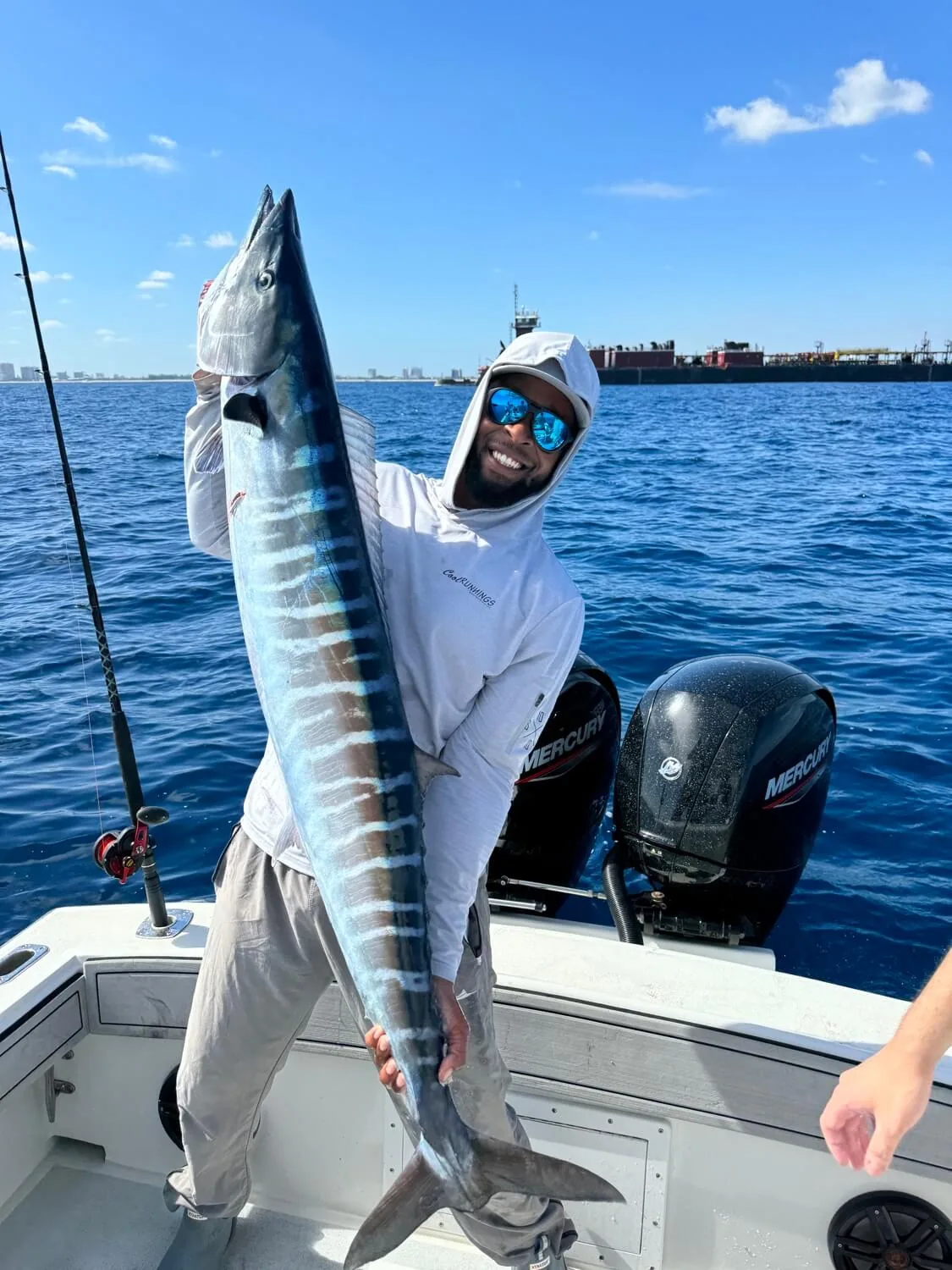
The headline species offshore of Fort Lauderdale are sailfish, mahi, blackfin tuna, wahoo, and kingfish. We see white marlin and blue marlin too, though those are bonus fish, not the everyday target. Most trips, we are working a mixed bag rather than chasing one fish.
Sailfish are the calling card. Winter cold fronts push them down the reef line and we get shots at multiples in a single morning. Mahi show up on weed lines and floating debris from late spring through summer, often in schools you can pick apart with light tackle.
Blackfin tuna run thick in the spring and again in fall. Wahoo are a year round possibility but they peak around full moons in cooler months. Kingfish fill in the gaps and put plenty of meat in the box for the ride home.
WHY THE RUN FROM COX LANDING PAYS OFF
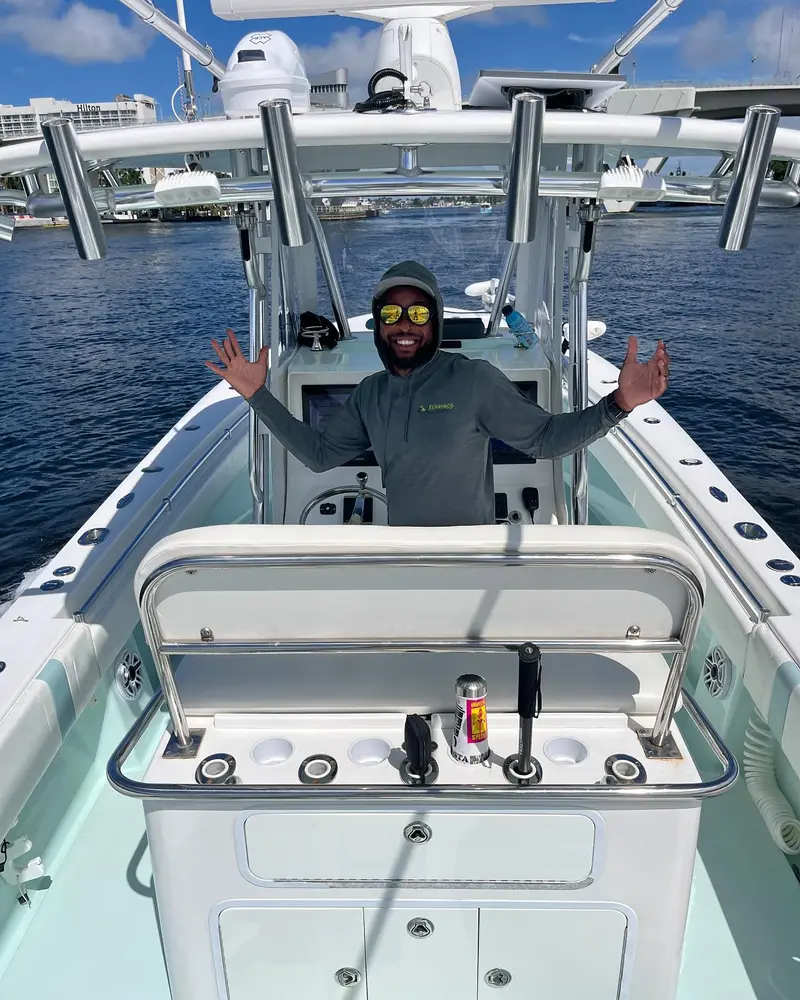
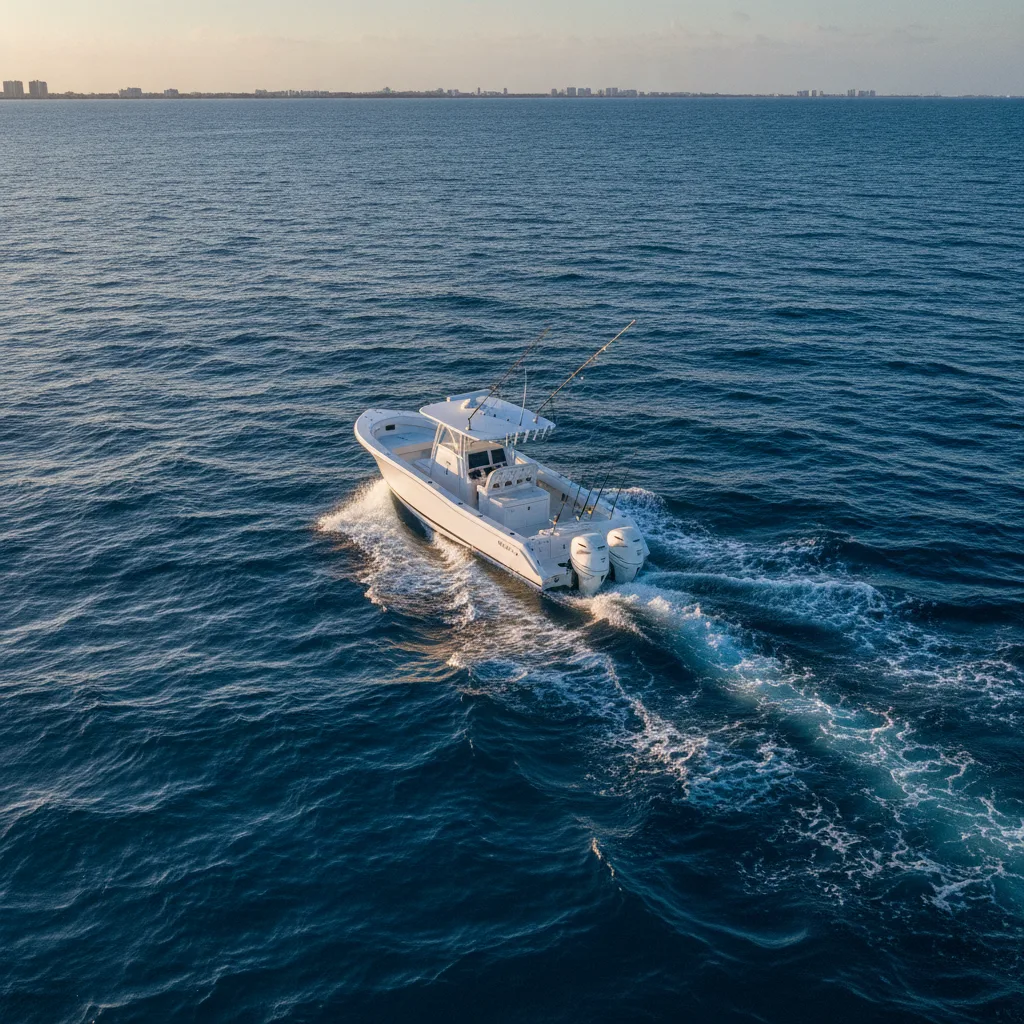
Here is the part that makes Fort Lauderdale special. The Gulf Stream sits less than 20 minutes from our dock at Cox Landing. On the 32 ft Contender with twin Yamaha 300s, we are in 200 ft of water before your coffee gets cold.
That short run matters more than people realize. In a lot of offshore ports around the country, you burn an hour or more each way just getting to fishable water. We are trolling baits while other boats are still pointing at the horizon. That gives a half day trip real teeth here, where elsewhere it would barely be worth dropping a line.
The proximity is also why Fort Lauderdale stays one of the best big game launch points on the East Coast. The shelf drops off fast and the current pulls bait right up onto our doorstep.
SEASONAL PATTERNS FOR TUNA AND MAHI
If you are planning a trip around a specific fish, timing matters. Blackfin tuna show up in good numbers from March through May, then a second wave hits September through November. We chunk and troll for them in 300 to 800 ft of water.
Mahi peak from late April through August. That is when you find the weed lines stacked up east of the reef and the schoolies will eat almost anything you throw. The bigger bull and cow mahi mix in during the peak weeks. Summer is a strong window if you want bent rods and a cooler full of fillets.
Sailfish flip the calendar. December through March is prime, with the best bite usually right after a north wind front blows through. If your trip falls in that window, I lean toward a kite fishing setup and we focus on the edge of the reef.
TROLLING TECHNIQUES WE ACTUALLY RUN
Most offshore days start with a trolling spread. We pull a mix of skirted ballyhoo, naked ballyhoo, and a planer or two to get baits down where the wahoo and kings hold. Speed matters. We run 6 to 8 knots depending on sea state and what we are targeting.
When we mark bait or a current rip, we slow down and live bait. Goggle eyes and pilchards in front of a sailfish flag is hard to beat in the winter. For tuna, we will switch to vertical jigging or chunking once we find the school.
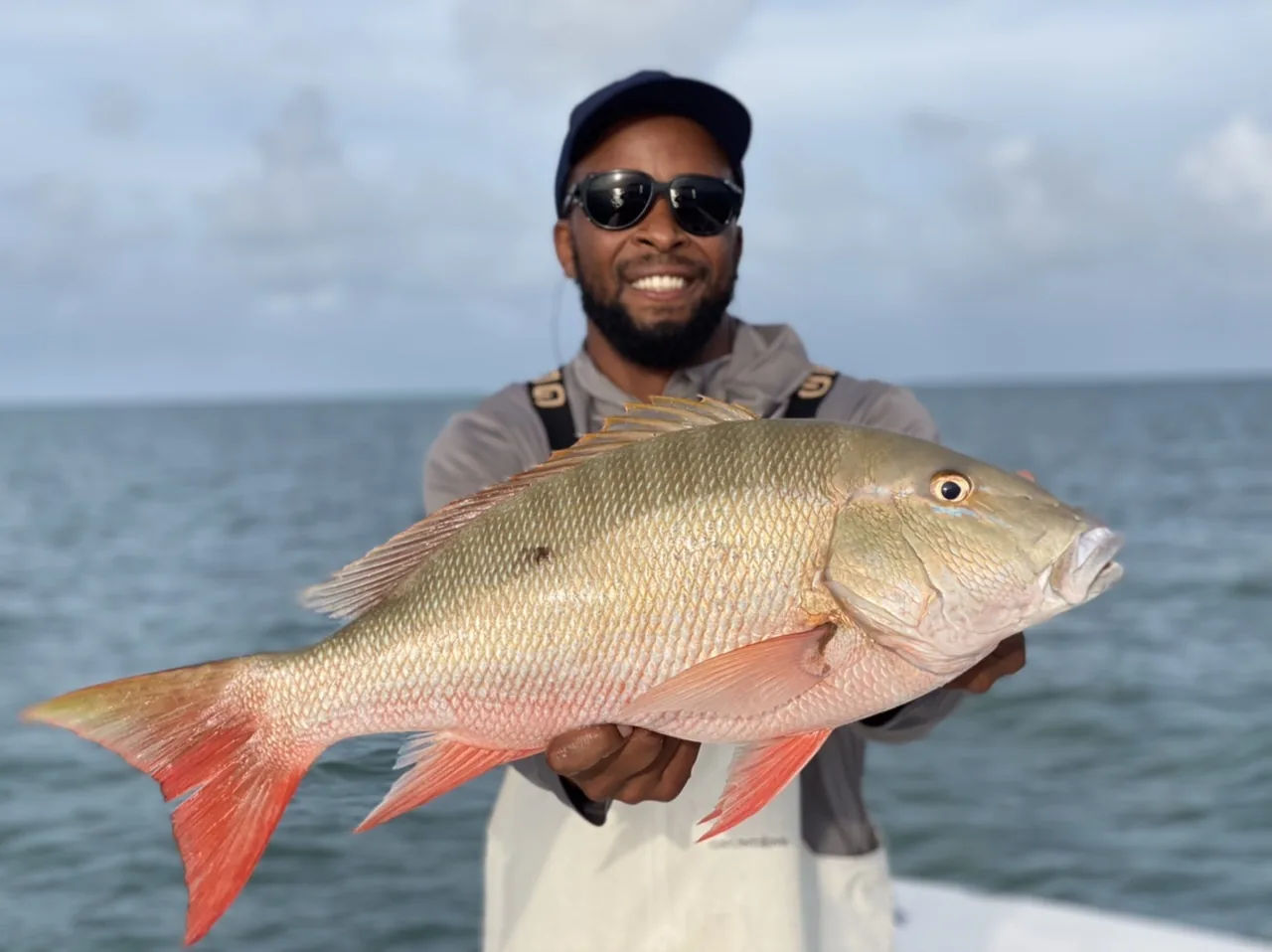
If the offshore bite goes flat, we can pivot to bottom fishing over a wreck or ledge. That keeps rods bent and usually puts mutton snapper or grouper in the box. I would rather adjust than have you stare at quiet rods for two hours.
HALF DAY, THREE QUARTER, OR FULL DAY
This is the choice that trips most folks up. A half day is 4 hours, three quarter is 6 hours, and full day is 8 hours. Because the Gulf Stream sits so close, a half day can absolutely produce on the right day.
I push people toward the three quarter or full day when the target is tuna or marlin. Those fish often want more water covered and more time to find the right temperature break. The extra hours give us room to run north toward Hillsboro Inlet or south past Port Everglades to chase reports.
Half day works well for families with young kids, first time offshore anglers, or anyone who wants a taste without committing to a long day on the water. If you want to compare what a typical day looks like start to finish, my walkthrough of a deep sea trip covers it hour by hour.
HOW TO SHOW UP READY FOR BLUE WATER
A few practical things will make or break your day offshore. Bring polarized sunglasses, a hat, and reef safe sunscreen. The sun off the water is no joke, even on cloudy mornings. Soft soled shoes or bare feet only, no black soles on the deck.
If you are prone to motion sickness, take Dramamine or Bonine the night before and again with breakfast. The ride out is usually smooth in the morning but the afternoon chop can build. Eat something light before you board. Skipping breakfast is the fastest way to feel green.
Drinks and snacks are on you, and a soft cooler works better than hard sided on our deck. I provide all the rods, reels, tackle, bait, and ice. The fish cleaning at the dock is included. If you are flying in and staying around the area, our charter info rundown covers what is provided versus what to bring.
WHEN OFFSHORE IS NOT THE RIGHT CALL
I will turn people away from offshore when it is not the right fit. If anyone in your group gets seasick easily and the forecast shows 4 ft seas, we should talk about an inshore alternative or moving the date. Throwing up for six hours is no one's idea of a vacation.
Small kids under about 6 years old usually do better on a shorter inshore trip. The ride and the wait between bites offshore can wear them out. Same goes for groups that want constant action and quick photos rather than a slower trolling rhythm waiting on a big bite.
Budget is another honest factor. Offshore trips cost more because of fuel, tackle, and crew time. If the math feels tight, a shorter half day or a different trip style might serve you better.
SO IS IT WORTH BOOKING? HERE IS MY TAKE
For most anglers visiting Fort Lauderdale, the answer is yes. The combination of short run time, healthy fish populations, and the variety of species you can pull off a single trip is hard to match anywhere else on the East Coast. I have run charters here for over a decade and I still get fired up when the kite goes down.
If you want a shot at a sailfish, want mahi for the grill, or just want to feel a tuna take drag, offshore is the trip. Book the full day if your group can handle it, the three quarter if you want a strong middle ground, and the half day if time or budget is the deciding factor.
Ready to lock in a date? Call me at (954) 588-0578 or reserve a date on the Cool Runnings booking calendar and tell me which species you want to chase. We will pick the trip length that fits the season and get you on the calendar.
FREQUENTLY ASKED QUESTIONS
How far offshore do we run from Fort Lauderdale?
The Gulf Stream sits less than 20 minutes from Cox Landing. We are usually fishing in 200 to 800 ft of water depending on what we are targeting that day. You do not lose half your trip running to the grounds like you would in a lot of other ports.
What is the best month for offshore fishing in Fort Lauderdale?
It depends on the species. Sailfish peak December through March, mahi peak late April through August, and blackfin tuna run strong in spring and again in fall. Wahoo and kingfish are catchable most of the year. Tell me what you want to catch and I will steer you toward the right window.
Is a half day offshore trip long enough?
A 4 hour half day works here because the run is so short. It is plenty of time to troll the reef edge and shoot for sailfish, mahi, or kings. For tuna or marlin, I push people toward the 6 hour three quarter or 8 hour full day so we have room to find the right water.
How many people can come on the boat?
The 32 ft Contender takes up to 4 guests, with 2 to 3 being the ideal number for offshore. That gives everyone room to fight a fish without stepping over rods. Larger groups should ask about splitting into two trips.
What if the weather cancels my trip?
If conditions are unsafe, I will call it and we reschedule at no charge. I would rather move a date than put anyone in seas that ruin the day. Florida weather changes fast, so I watch the forecast closely the 48 hours leading up to your charter.